
Unlock natural skin renewal. Learn why most anti-aging fails & how to truly rejuvenate aging skin for lasting radiance.
January 28, 2026
January 28, 2026
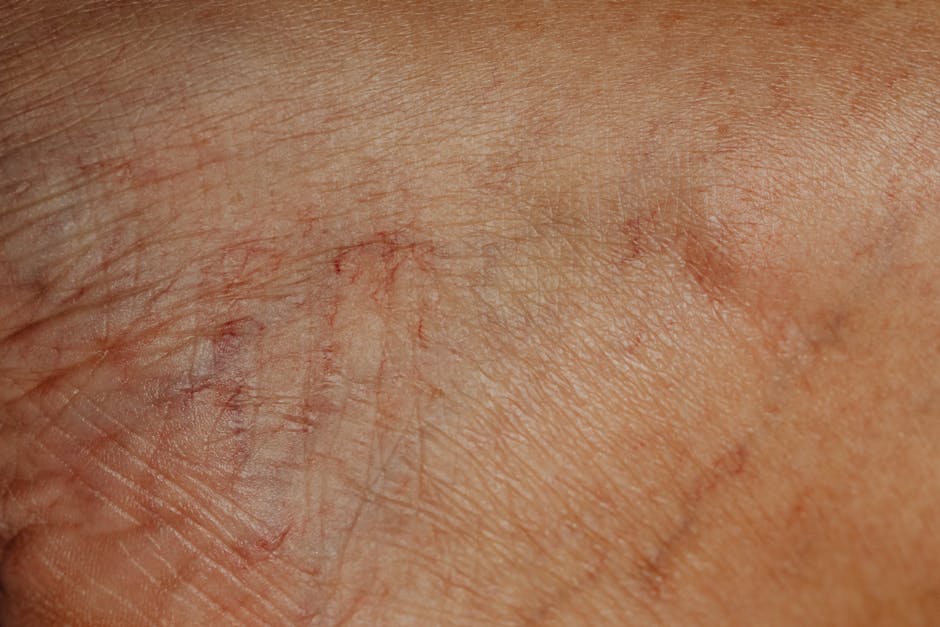
Refresh aging skin effectively by combining sun protection, proven actives like retinoids and antioxidants, and treatments that create real pathways through your skin's protective barrier—allowing ingredients to reach the deeper layers where collagen is actually built.
Quick Answer: How to Refresh Aging Skin
The anti-aging industry is built on promises. Most of them break.
You've tried the creams. You've read the ingredients lists. You've spent money on products that sit on your skin's surface, blocked by a barrier designed to keep things out.
The problem isn't your skin. The problem is delivery.
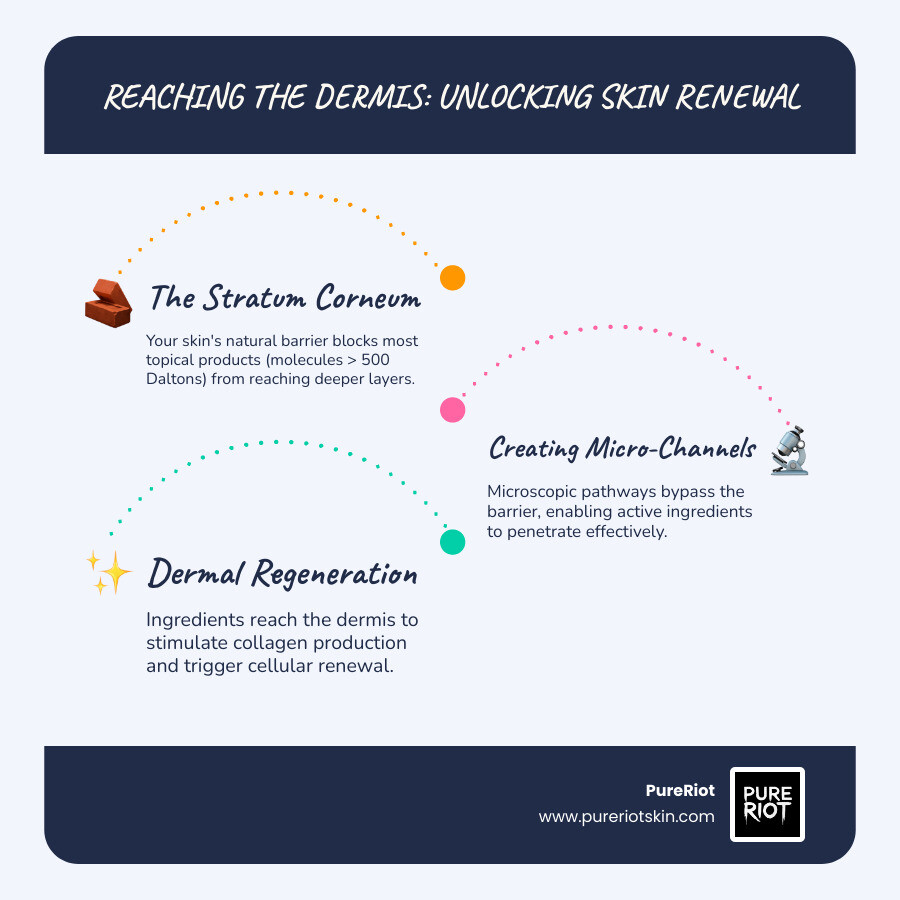
Your stratum corneum is a fortress. If a molecule is larger than 500 Daltons, it's not getting through. Most actives in over-the-counter products never reach the dermis where collagen is made.
Around age 35, you start losing about 1% of your collagen each year. Cell turnover slows. The skin gets thinner. Lines that used to disappear when you stopped smiling become permanent.
The traditional solutions are a choice between two broken systems. Expensive procedures that require needles, blood, anesthetic, and days of downtime. Or mainstream products loaded with synthetic preservatives and artificial fragrances that deliver minimal results.
But your skin is built to heal itself. When you create the right conditions and give it what it actually needs, it rebuilds. Stronger. Firmer. More resilient.
I'm the PureRiot Team—skincare rebels and formulation experts who walked away from an industry built on chemical cocktails and diluted actives. We've spent years developing solutions that refresh aging skin by working with your biology, not against it, using nature's own microneedling technology to deliver professional results without the trauma.
There are two clocks. One inside you. One outside.
The first is your genetic blueprint. It’s what we call intrinsic aging. Cell turnover slows. Collagen and elastin break down. By your mid-thirties, you feel it. Around age 35, we start to lose collagen, elastin, and other substances that keep skin firm, leading to skin laxity.
The second is the world. Sun. Pollution. Stress. This is extrinsic aging.
It leads to fine lines. Wrinkles. Skin that doesn’t bounce back. The surface thins. The deeper layers lose volume. You see the visible signs: uneven pigmentation, rough texture, and general dullness.
Intrinsic aging is the natural, inevitable process. It’s controlled largely by your genes. Your cells stop dividing as efficiently. Fibroblasts, the cells responsible for building collagen and elastin, get lazy.
Sugar binds to proteins in a process called glycation, stiffening them. This makes your tissues less flexible. Hormonal changes, like those during menopause, can cause skin to become thinner and drier.
Your skin’s structure changes. The epidermis, your outermost layer, becomes thinner and paler. The dermis, the middle layer, loses collagen, elastin, and hyaluronic acid. These are the building blocks of firm, smooth skin. Without them, skin becomes fragile. It develops wrinkles.
Extrinsic aging is different. This is premature aging. It’s caused by environmental factors and lifestyle choices. And you can influence it.
UV exposure is the No. 1 reason for signs of aging in the skin. This includes uneven pigmentation, wrinkles, and rough, blotchy texture. The sun breaks down collagen and elastin. It causes DNA damage. This damage accumulates.
Free radicals attack your cells. Pollution clogs and irritates. Smoking causes wrinkles and a dull complexion. It damages collagen and elastin. Alcohol dehydrates and harms your skin. Diets high in sugar or refined carbohydrates can accelerate aging.
Stress and sleep deprivation also contribute. Chronic stress increases inflammation. Lack of sleep shows up on your face.
The result is skin that looks older than it should. But you don’t have to accept it.
The anti-aging market is booming. A worldwide annual expenditure expected to grow from $US24.6 billion to around $US44.5 billion by 2030. That’s a lot of money spent on promises.
A jar can’t change your biology if it can’t get where it needs to go.
The problem is delivery. Your stratum corneum is a fortress. It's designed to keep things out.
If a molecule is bigger than 500 Daltons, it’s not getting through. Most actives never reach the dermis. This is why over-the-counter products promise a lot but often deliver little. They sit on the surface.
Some ingredients do make a difference. We believe in science. We believe in ingredients that work.
Retinoids speed up cell turnover. They build collagen. Tretinoin, an all-trans retinoic acid, is considered the clinical ‘gold standard’ for skin rejuvenation. It reduces fine and coarse wrinkling and hyperpigmentation. It improves skin texture. But it also irritates. It can cause redness, peeling, and stinging.
Antioxidants like vitamin C and niacinamide fight free radicals. Vitamin C protects against UV and pollution. It helps produce collagen. Niacinamide, a B vitamin, improves skin barrier function. It reduces yellowing, blotchiness, and hyperpigmented spots.
Peptides send signals. Some tell your skin to make more collagen. Others can relax muscles. But here’s the catch: most peptides break down before they get where they need to go. Their large molecular size means they struggle to penetrate the skin barrier.
Hyaluronic acid draws water to the surface. It hydrates. It temporarily plumps the skin, making lines less visible. But it doesn’t rebuild your skin’s fundamental structure.
Ceramides repair the barrier. They are crucial for a strong, healthy skin. They hold skin cells together.
Alpha hydroxy acids exfoliate. They can smooth skin texture. But they can also irritate. They can leave your skin vulnerable if overused.
The truth is, most of what you put on your skin never makes it past the surface. It’s wasted effort and wasted money.

The industry sells instant change. The reality is pain, downtime, and a cycle of maintenance.
We’ve seen the demand for skin rejuvenation strategies skyrocket. But with that comes the risk of looking unnatural. The problem with the old approach is its reliance on trauma. Devices that puncture. Creams that promise.
Traditional microneedling uses metal needles. They punch thousands of holes in your face. There’s blood. There’s numbing cream. There are days of redness. There’s a risk of infection from contaminated devices. The FDA warns about reused cartridges spreading disease. After all that trauma, the results fade. They require more sessions.
Then there’s the mainstream skincare industry. Products full of synthetic preservatives. Artificial fragrances. Phthalates. Parabens. Formaldehyde releasers. More than 10,000 chemicals in cosmetics, but only 11 ever banned by the FDA. These products are marketed as solutions. But they slowly break down your skin’s natural defenses.
Every intervention comes with a price. Not just money. Think about the time. The risk. The chance of results you didn’t want.
Procedures like Blepharoplasty for eyelids, Botulinum Toxin (Botox) for Facial Wrinkles, Chemical Peels, Dermal Fillers, and Laser Skin Renewal are widely available. They can offer significant changes. But they come with their own set of considerations. Recovery time. Potential side effects. And for many, a look that just doesn't feel like them.
This is a broken system. You deserve better.
There’s a better way. We call it working with your biology. Not against it.
You protect what you have. Then you activate your skin’s own renewal mechanisms.
Sun protection is non-negotiable. UV exposure is the No. 1 reason for signs of aging in the skin. This includes wrinkles, uneven pigmentation, and rough texture. Wearing broad-spectrum SPF 30 or higher every single day is essential. Even indoors. Even on cloudy days.
What you eat matters. Diets high in sugar or refined carbohydrates can accelerate aging. Focus on antioxidants. Healthy fats. Limit processed foods.
Smoking breaks down collagen. It narrows blood vessels in the skin. It causes wrinkles and a dull complexion. Quitting smoking can significantly improve your skin. Alcohol dries you out. It dehydrates your skin. Reduce your consumption.
Sleep and stress show up on your face. Chronic stress can accelerate skin aging. Lack of quality sleep impacts your skin’s ability to repair itself. Prioritize both.
Cleanse gently. Moisturize daily. These simple steps support your skin’s natural barrier.
This is where the real change happens.
Controlled micro-injury is the secret. When you trigger the wound-healing response, your skin builds new collagen. This is neocollagenesis. It's how your skin rebuilds itself, stronger and firmer.
But the key is creating real pathways. Your stratum corneum blocks almost everything. You need a way to deliver actives to the dermis.
Nature already solved this.
Spongilla spicules are microscopic needles from freshwater sponges. They are nature’s own microneedles. They create millions of micro-channels. No blood. No metal. No downtime.
The spicules stay in your skin for up to 72 hours. They keep the renewal process going. They continuously stimulate your skin's healing response.
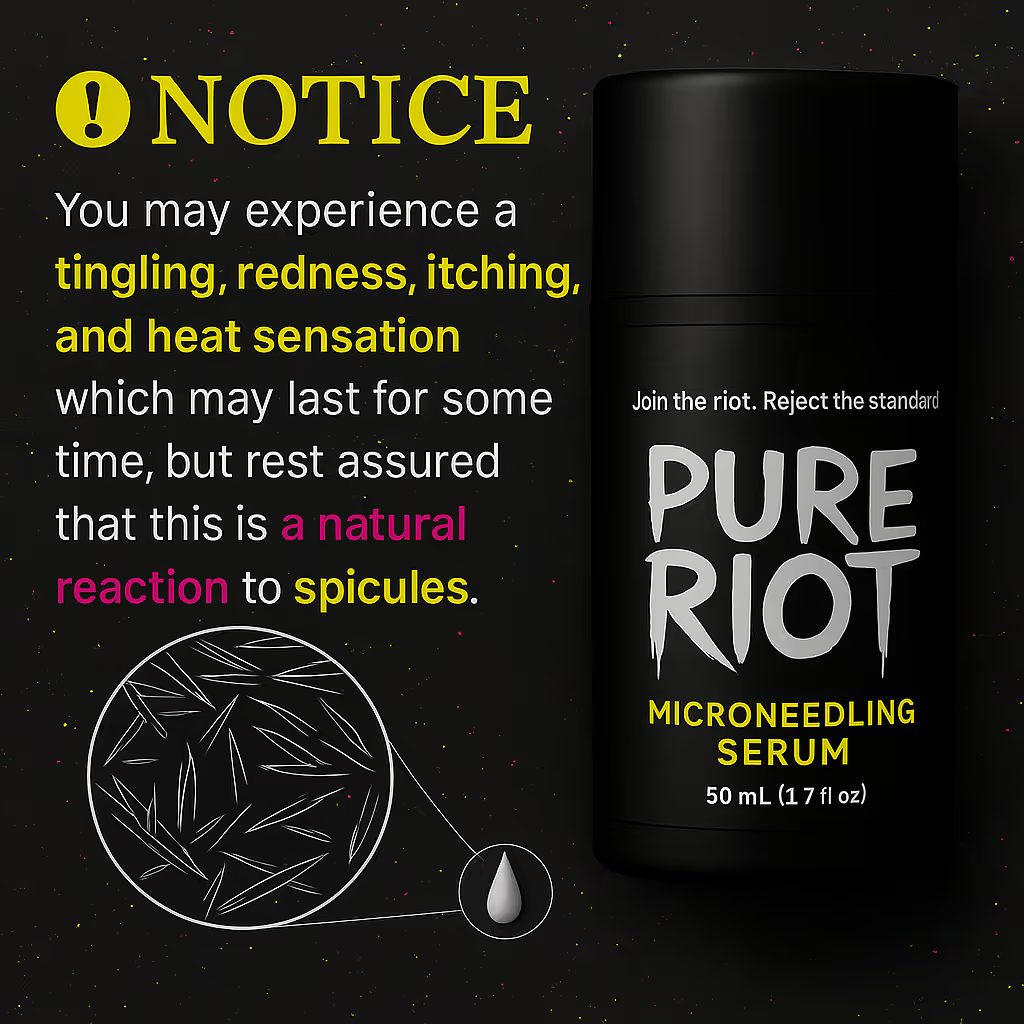
You feel the tingle. That’s the biology at work. It's feedback. It’s not a problem.
These micro-channels are doorways. They allow key ingredients to penetrate deeper. Ingredients like niacinamide, hyaluronic acid, and frankincense. They reach the cells that need them.
This is professional-grade microneedling biology. It delivers clinical results without the trauma of traditional treatments. It's transparent. It's science-backed. It's natural.
This is how you truly refresh aging skin. This is how you rebuild. Stronger. Firmer. More resilient.
We show you how to do it with our Riot Liquid Microneedling Serum.
Some things need a doctor. We empower you to take control of your skin health, but we also believe in professional guidance when it’s truly needed.
If your skin is fragile, excessively dry, or constantly itchy, pay attention. These can be signs of underlying issues.
If you see sores that don’t heal, or moles that change in size, shape, or color, get checked immediately. Skin cancer is very common in the United States. Older adults and people with fair skin are at greatest risk. UV light from the sun is a major risk factor.
Know the signs. The National Cancer Institute provides images to help you recognize melanoma.
A dermatologist can help you build a personalized plan that works for your skin. They can diagnose conditions like rosacea, psoriasis, or skin infections that become more common with age. They can recommend prescription treatments like Tretinoin. They can also guide you on procedures like facelifts, eyelid surgery, or neck lifts, weighing the risks and benefits.
We encourage you to find a qualified professional. You can use resources like the American Academy of Dermatology to Find a Dermatologist in your area.
You don’t have to choose between ineffective creams and brutal procedures. You don’t have to accept toxic ingredients or risk infection.
There’s a third way. A truth that the industry has overlooked, or deliberately ignored.
Nature’s own microneedling technology. Spongilla spicules.
This is how you get professional-grade results. No needles. No toxic chemicals. No downtime.
This is PureRiot.
The sting means it’s working. It’s not a problem. It’s feedback.
Results happen during recovery. Your skin is rebuilding itself. This takes days, not minutes.
You can learn more info about how our Spongilla serum works.
This is what skin science looks like when it’s on your side.
Join the riot. Reject the standard.
© 2026 PureRiot. All Rights Reserved.
.png)
