
Stop guessing about serum before or after derma rolling. Uncover a safer, needle-free microneedling method for real results. Read now!
January 30, 2026
January 30, 2026


Serum before or after derma rolling? The answer is always after. But this question reveals a broken system.
The skincare industry tells you to puncture thousands of holes in your face with metal needles. They call it microneedling. Then they tell you to push a serum into those open wounds.
Does that sound right?
It sounds brutal because it is.
The question of when to apply serum reveals something deeper. It reveals an entire system built on trauma. Metal needles. Blood. Pain. Infection risk. Days of downtime. Then the anxiety of figuring out which ingredients are safe to push into your freshly wounded skin.
Research shows that microneedling can increase product absorption by up to 300%. But what are you absorbing? And why does getting results require turning your face into a battlefield?
The PureRiot team has spent years studying the science of collagen induction and ingredient delivery. We searched for alternatives to traditional needle-based treatments. Our work led us to a fundamentally different approach. One that delivers professional results without the trauma.
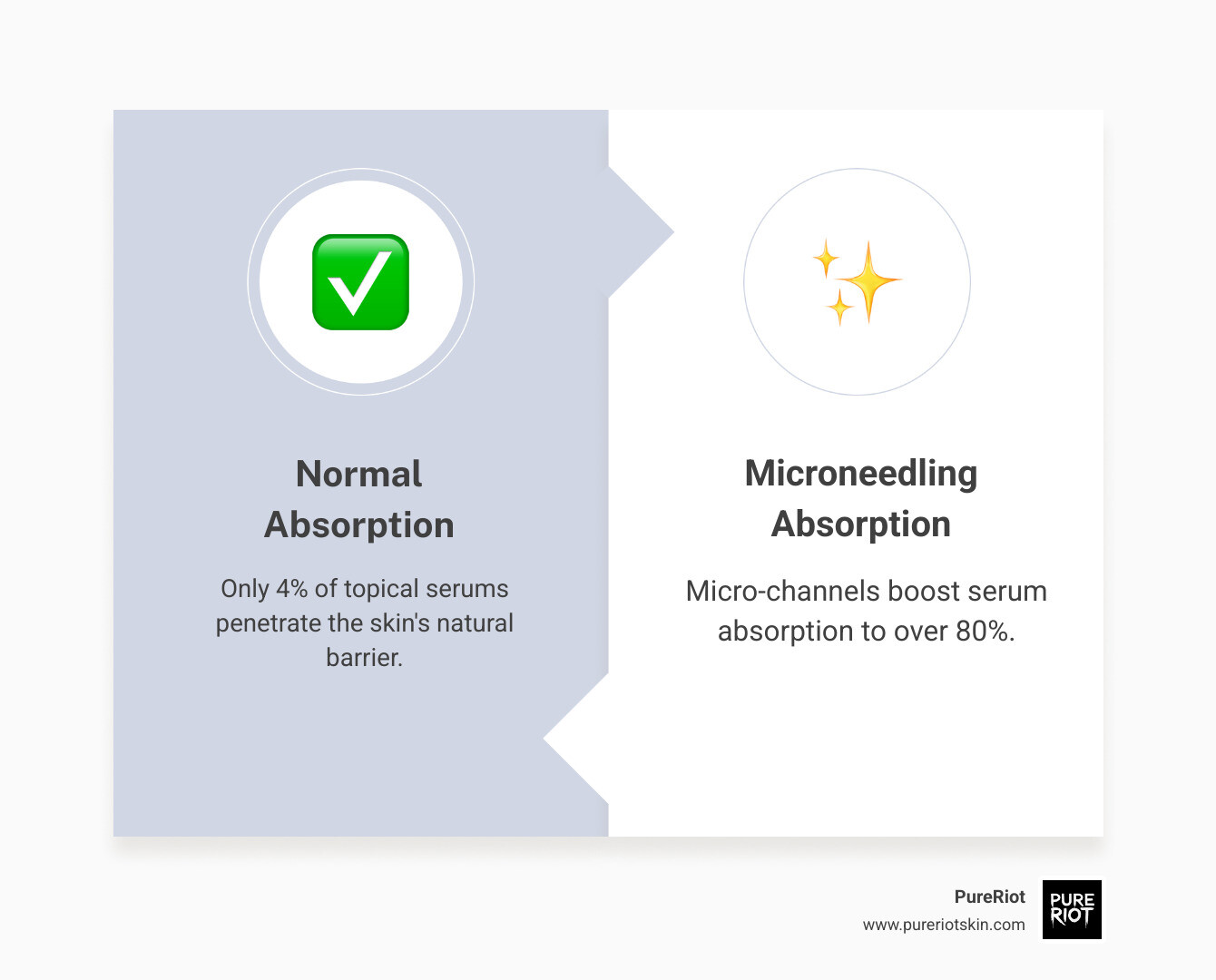
The old way of microneedling, often called derma rolling, involves a handheld device covered in tiny metal needles. These needles puncture your skin, creating what are called "micro-injuries." The idea is simple: wound the the skin, and it will heal itself stronger. This is known as collagen induction therapy.
It works, in a way. The trauma triggers your skin's natural wound-healing response. It releases growth factors, encouraging your body to produce fresh collagen and elastin. These are the proteins that give your skin its firmness and elasticity. Without them, your skin sags. It wrinkles.
But let's be honest about the cost.
It's a brutal process. Metal needles puncturing your skin leads to pain. It leads to bleeding. It leads to days of redness and swelling, what we call downtime. And every time you create an open wound, you introduce the risk of infection.
The FDA has warned consumers about the risks of unapproved microneedling devices. They have not approved any microneedling instruments for sale over the counter. You can read the FDA's own consumer update on microneedling risks here.
You're trying to improve your skin. But you're putting it through trauma to get there.
When you push serums into these wounds, you face further risks. You risk introducing bacteria. You risk granulomas, which are essentially permanent rashes caused by chronic inflammation. You risk chemical burns from harsh ingredients seeping deep into sensitive, broken skin. This is why the question of serum before or after derma rolling is so critical. The process itself is already a gamble.
This is where the industry tries to make sense of the chaos. If you're going to use metal needles, you absolutely must get the timing right for your serums. We've seen the statistics: microneedling can improve the absorption of topical skincare products by up to 300%. But increased absorption isn't always a good thing. It depends entirely on what you're absorbing.
The answer to serum before or after derma rolling is unequivocally after. Never before.
Applying serum before you roll is a recipe for disaster. You're pushing everything that sits on your skin's surface deep into those freshly opened channels. Dirt. Oil. Makeup residue. Bacteria. It creates a contaminated slurry that invites infection and inflammation.
Applying serum after the rolling session, however, aligns with the goal of improved penetration. The micro-channels are open. They are ready to receive ingredients. This is how you maximize the delivery of beneficial compounds. But again, the quality of those compounds matters more than ever.
The science is clear: applying your chosen serum immediately after derma rolling is essential for maximizing its efficacy. Your skin is primed. Those micro-channels are temporary gateways. They allow potent actives to penetrate deeper than they ever could on their own. This is when your skin can truly benefit from targeted delivery.
We know that microneedling induces a wound-healing cascade. This process naturally triggers the release of growth factors and encourages collagen and elastin production. When you apply the right serums right after, you are feeding this natural process. You are giving your skin the building blocks it needs for renewal.
The micro-channels begin closing within minutes. So, you need to apply your serum within about 60 seconds of rolling for maximum benefit. This is the optimal window to ensure your chosen ingredients reach the dermal layers where they can make a real difference. This is how you push for that dramatic increase in collagen and elastin deposition, which can be up to 400% after multiple sessions. But the ingredients themselves must be clean. They must be recognized by your body.
When your skin has thousands of tiny openings, it is an open wound. This means you need to be incredibly selective about what you apply. We need to be kind to our skin.
Some ingredients support the healing process. Hyaluronic Acid is your body's own hydrator. Your skin recognizes it. It draws water into the skin, plumping it and supporting healing. Peptides are another safe choice. They are amino acid chains that signal your skin to increase collagen production. They are tiny messengers telling your skin to repair and rebuild.
Other humectants like Glycerin and Vitamin B5 (Panthenol) help hydrate and strengthen the skin barrier. Soothing ingredients like Aloe Vera can also help calm the skin and support its integrity. These are substances your body recognizes.
Then there is the danger list. These ingredients, while beneficial in a normal routine, become harmful when applied to freshly needled skin. Retinoids like Retinol and Tretinoin are powerful, but they will cause significant irritation on compromised skin. You must wait days, even weeks, before reintroducing them.
The same goes for Vitamin C, especially L-Ascorbic Acid. Its acidic nature can sting and inflame freshly treated skin. Wait at least 48 to 72 hours. Exfoliating acids like Glycolic, Salicylic, and Lactic Acid are designed to break down skin cells. Applying them to open micro-channels will cause severe irritation and damage. Avoid them for days.
Alcohol, a common ingredient in toners, is extremely drying and irritating to wounded skin. Avoid it completely. Artificial fragrances are a common cause of allergic reactions and should also be avoided. And comedogenic oils like coconut oil can clog the newly opened channels, leading to breakouts.
Your skin is in a vulnerable state. The goal is to support its natural healing, not to assault it further.
We told you there was a better way. A way that doesn't involve blood, pain, numbing cream, or the constant anxiety of choosing the right serum for your freshly wounded face. Nature already solved this problem millions of years ago.
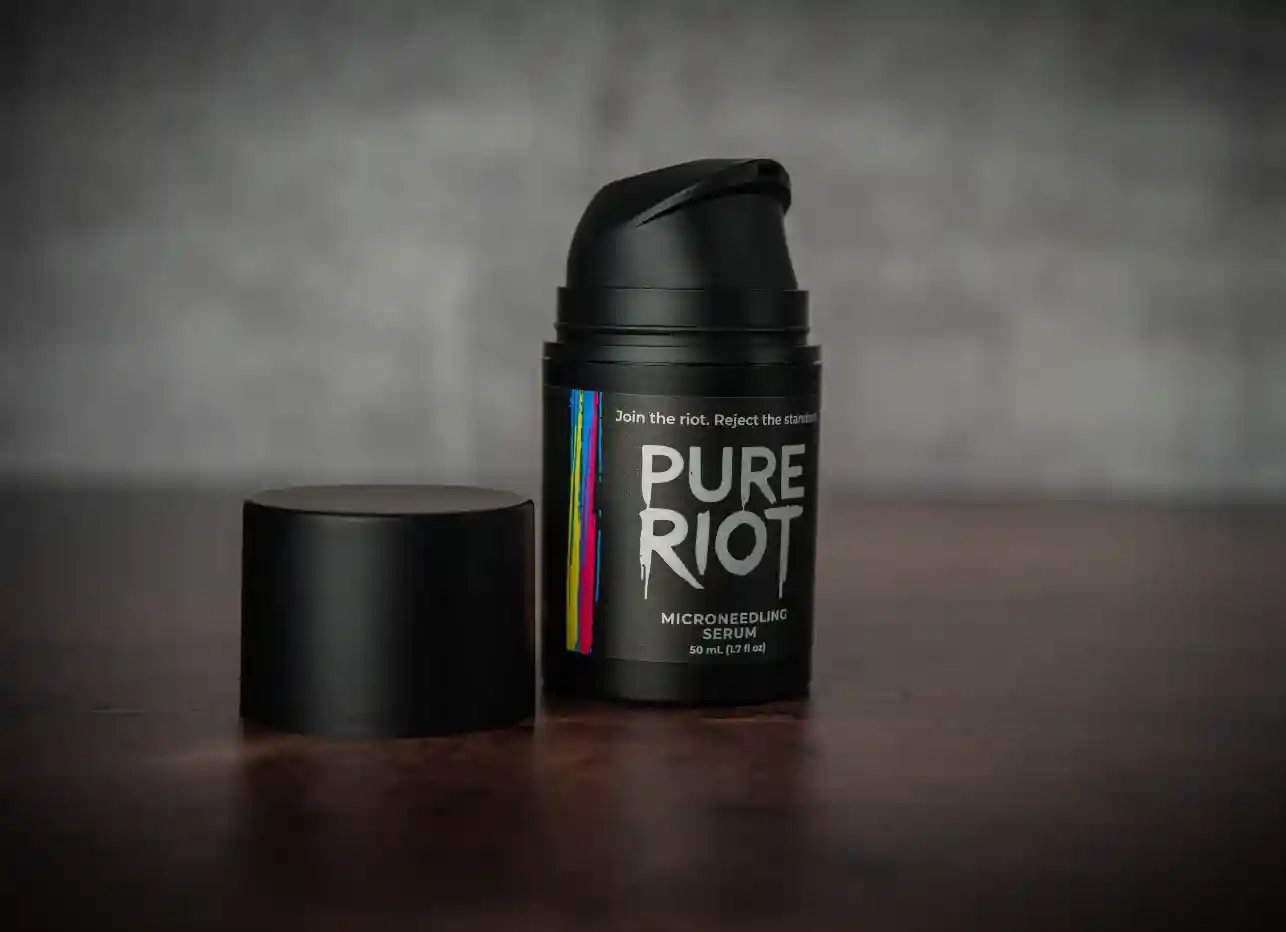
Spongilla spicules are nature's microneedles. They are microscopic, needle-like structures derived from freshwater sponges. We harness these tiny wonders in our serums.
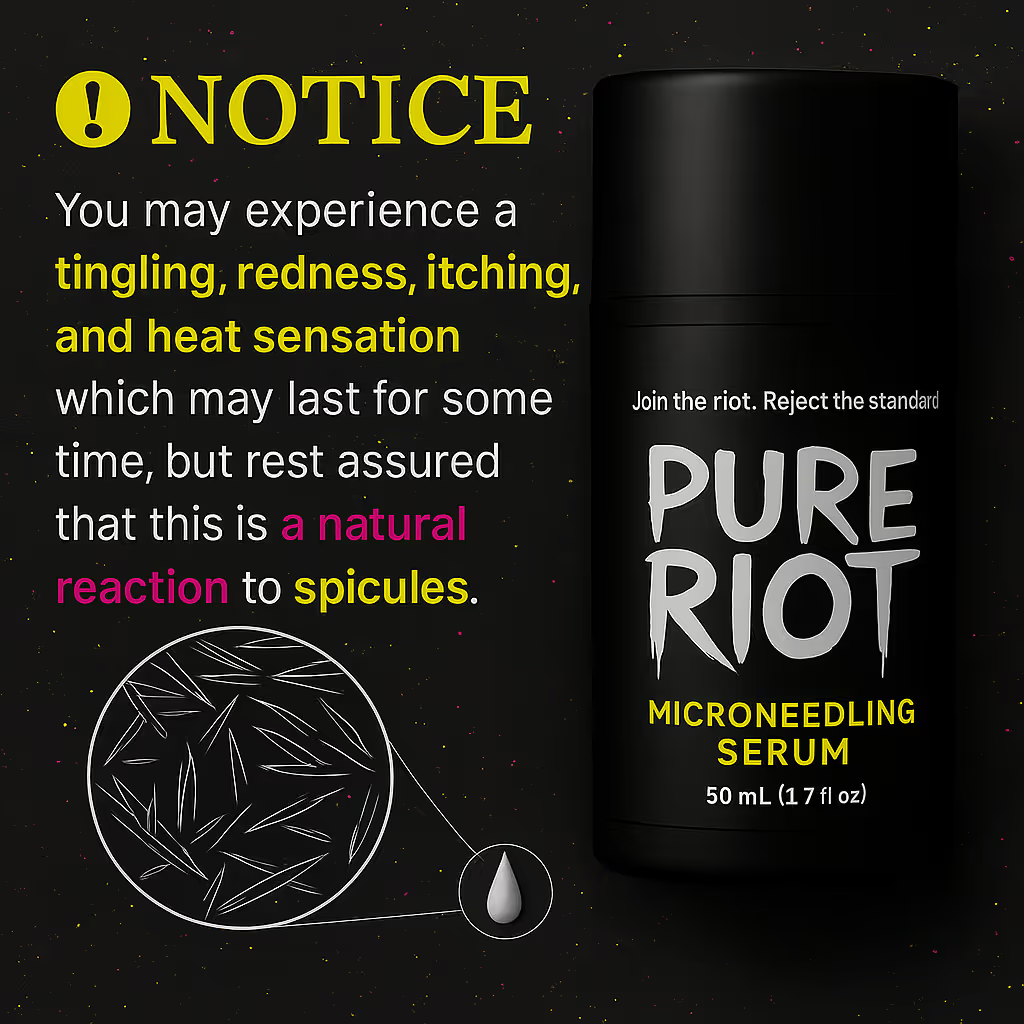
You simply massage them into your skin. They create the same collagen-triggering micro-channels that metal needles do, but without the trauma. No metal needles. No blood. No anesthetic. No downtime. You'll feel a slight tingling sensation as you apply it. That's them working.
The spicules stay in your skin for up to 72 hours, continuously stimulating renewal. This means your skin is getting constant, gentle activation for days after a single application. It's a continuous conversation with your skin, telling it to rebuild itself stronger.

With a spicule-based serum, the entire problematic debate of serum before or after derma rolling becomes irrelevant. The serum is the treatment. The spicules are delivered in the formula. They work in perfect synergy.
The micro-channels are created, and the active ingredients like hyaluronic acid, niacinamide, and frankincense are delivered simultaneously. It's a single, neat system. You don't have to worry about pushing surface contaminants into your skin. You don't have to frantically apply a separate serum within 60 seconds. Everything is integrated.
This is how you get the benefits of microneedling without the brutality. The improved absorption. The collagen induction. The skin renewal. We believe this is what skin science looks like when it's truly on your side. It's an exit from the broken systems that force you to choose between results and safety.
Regardless of whether you choose metal needles or nature's microneedles, your skin does the real work during recovery. Our job is to support it. The results happen during recovery. Your skin rebuilds itself stronger than before.
Immediately after treatment, you can expect mild redness and a tingling sensation. This is your skin's healing response activating.
For the first 24 to 48 hours, keep your routine incredibly simple. Your skin is vulnerable. Cleanse with tepid water only for the first few days to avoid irritation. Apply a gentle, hydrating moisturizer with ingredients like hyaluronic acid, glycerin, or aloe vera to calm and nourish.
During this time, you must avoid sun exposure, sweat, and makeup. The chemicals in makeup can seep into open pores and cause irritation. Avoid saunas, swimming, and strenuous exercise. Do not expose your skin to direct sunlight. Microneedling increases photosensitivity.
After a few days, your skin begins to rebuild. Collagen synthesis is in full swing.
Now, your job is to protect your new skin. Always use a broad-spectrum mineral SPF 30+ daily. This is non-negotiable. Sun damage on healing skin can lead to unwanted pigmentation.
After about a week, you can slowly reintroduce other products. Pay close attention to your skin's tolerance. We recommend waiting at least 7 days before reintroducing Vitamin C and Vitamin A (retinol/retinoids). If you feel tingling or sensitivity with your usual skincare, you've overdone it.
This process is about working with your skin, not against it. Support its natural ability to heal and renew, and it will reward you with stronger, healthier skin.
The frequency of traditional derma rolling depends heavily on the needle length. Shorter needles, like 0.25 mm, are used for product absorption and can be used every other day. Longer needles mean longer recovery. A 0.5 mm roller might be used 1 to 3 times a week. A 1.0 mm roller requires 10 to 14 days between sessions. For deeper concerns, a 1.5 mm roller is used only once every 3 to 4 weeks. Anything longer is typically reserved for professional use due to the increased risks.
The overarching principle is to allow your skin full recovery. Overuse, especially with longer needles, leads to chronic inflammation and can actually damage your skin in the long run.
With a spicule-based serum, the approach is different. Because it's less traumatic and works with your skin's natural renewal cycle, you can perform the treatment weekly. This continuous, gentle stimulation means consistent progress without the harsh recovery periods. It's about consistent activation, not aggressive wounding.
Rebuilding collagen is a slow process. Your skin takes time to regenerate itself.
With traditional metal needles, significant results for things like acne scarring or wrinkles can take months of repeated trauma to see a noticeable change. Research shows that after multiple sessions, new collagen continues to be laid down for 3 to 6 months.
With a spicule-based system, you often see an immediate glow. Texture improvements can be noticed within days. The continuous stimulation from the spicules means deeper, more lasting results build week after week. Your skin gets stronger and healthier over time, not just recovering from an injury.
Why endure the trauma if there's a better way?
This is one of the most common and critical questions we hear. And it highlights the inherent problem with traditional microneedling.
With traditional rolling, you must wait. Applying an acidic Vitamin C, particularly L-Ascorbic Acid, to fresh wounds causes stinging, inflammation, and can impede healing. Most experts recommend waiting at least 48-72 hours. You're left guessing.
With a spicule-based system, like ours, the formula is designed for safe and integrated delivery. The active ingredients are part of the serum itself. They are delivered alongside the spicules, precisely where they need to go. You don't need to add other actives on top. The system is complete. It removes the guesswork and the risk. It's a cleaner, safer path to brighter, healthier skin.
The debate over serum before or after derma rolling misses the point. It accepts a brutal, outdated process as the only option. We believe you don't need to choose between safety and results. You don't need to risk infection or push toxic chemicals into your skin to trigger collagen.
PureRiot was founded on the principle that skin science should be on your side. We know there's a better way. It's time to stop wounding your skin and start working with it.
Join the riot. Reject the standard.
© 2026 PureRiot. All Rights Reserved.
.png)